
IE Talk: Lean-Agile Innovation at De La Salle University
November 13, 2024
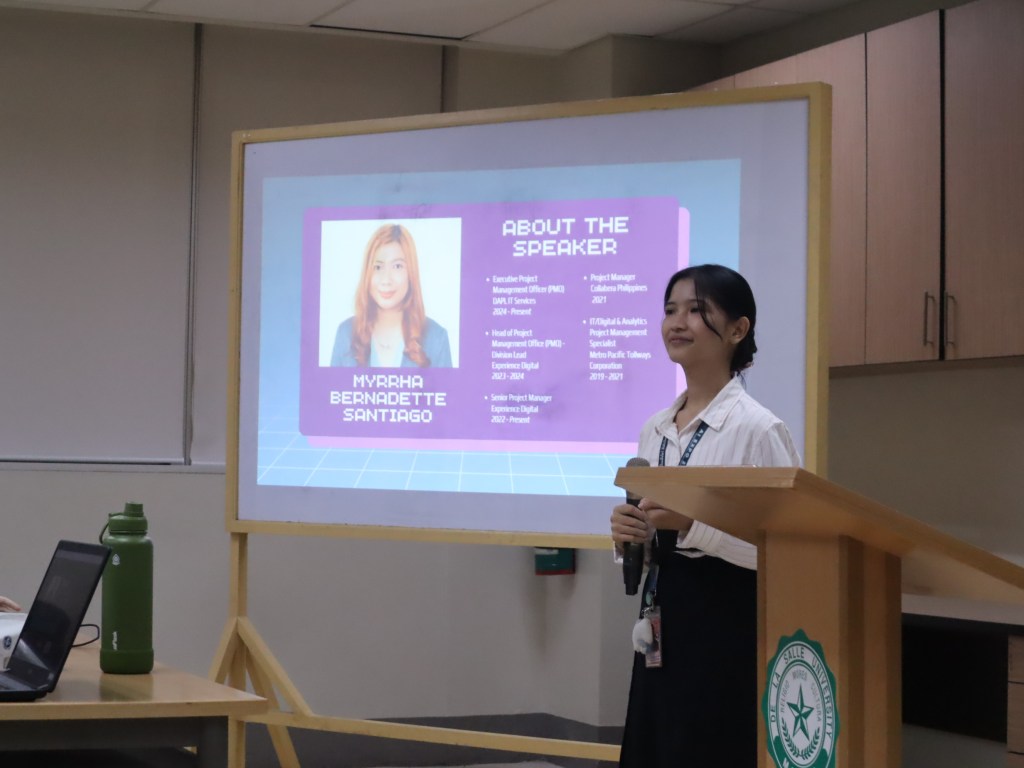
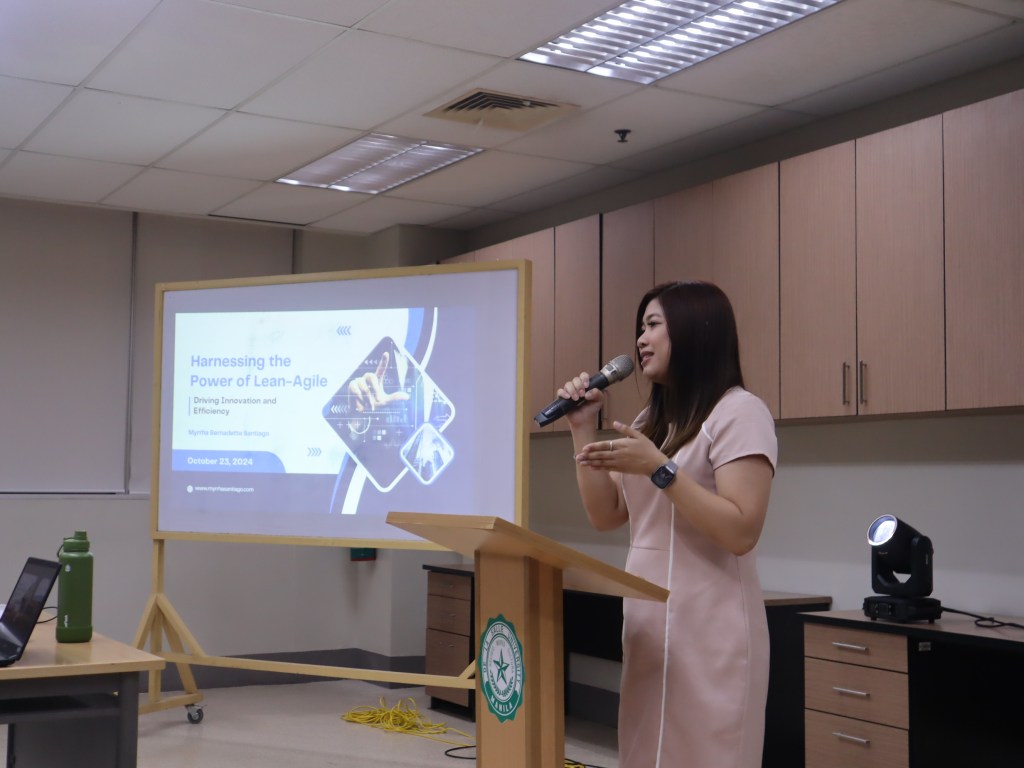
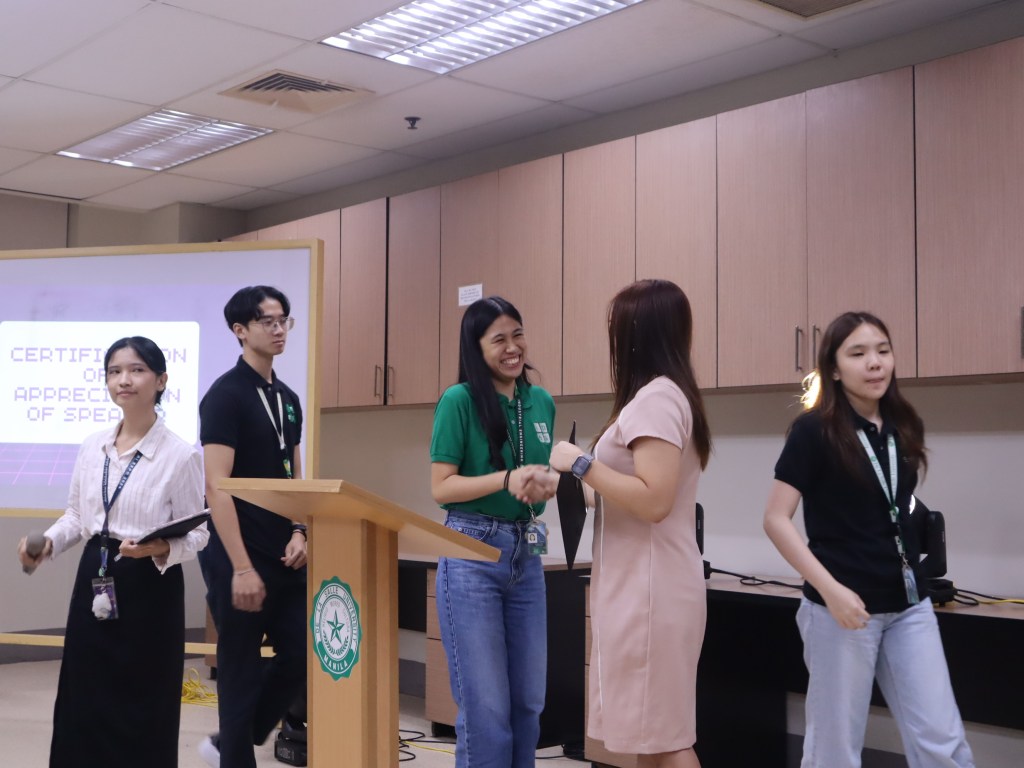
Last November 13, 2024, I had the privilege of speaking at De La Salle University during an Industrial Engineering (IE) talk. The topic? Lean-Agile Innovation — a powerful framework that goes beyond its business roots to create meaningful change in every aspect of life.

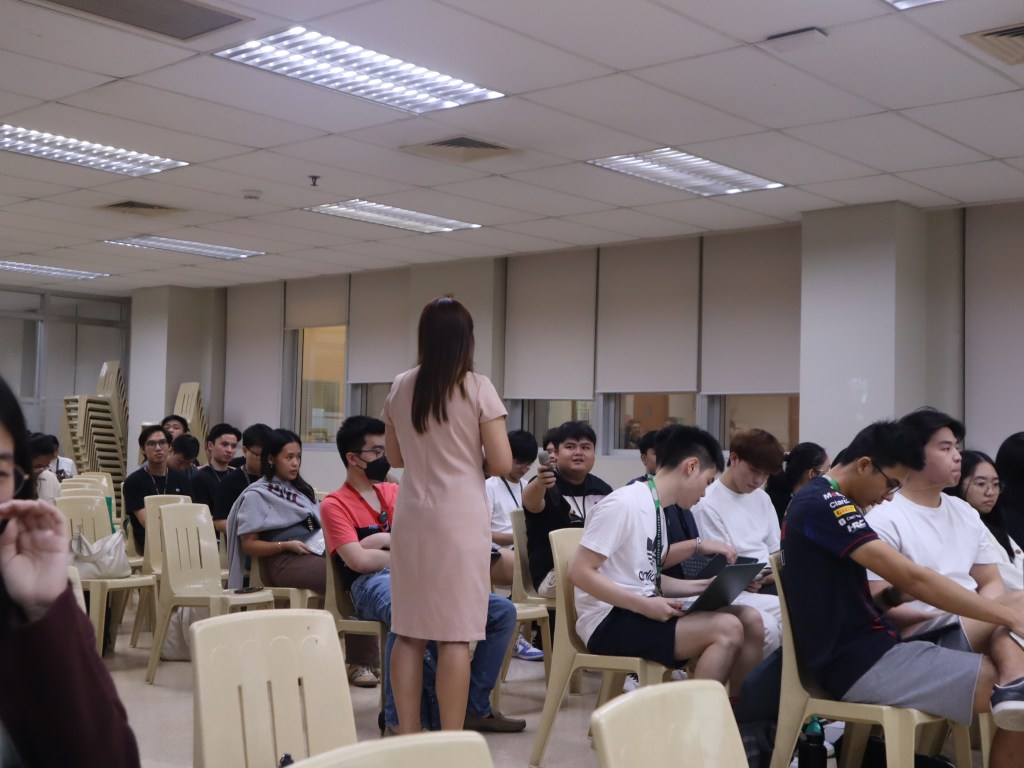
Starting with Engagement
To set the tone for an interactive and thought-provoking session, I opened with an icebreaker: “If you could improve one process or system in your daily life (whether at school, home, or work), what would it be and how would you optimize it?”
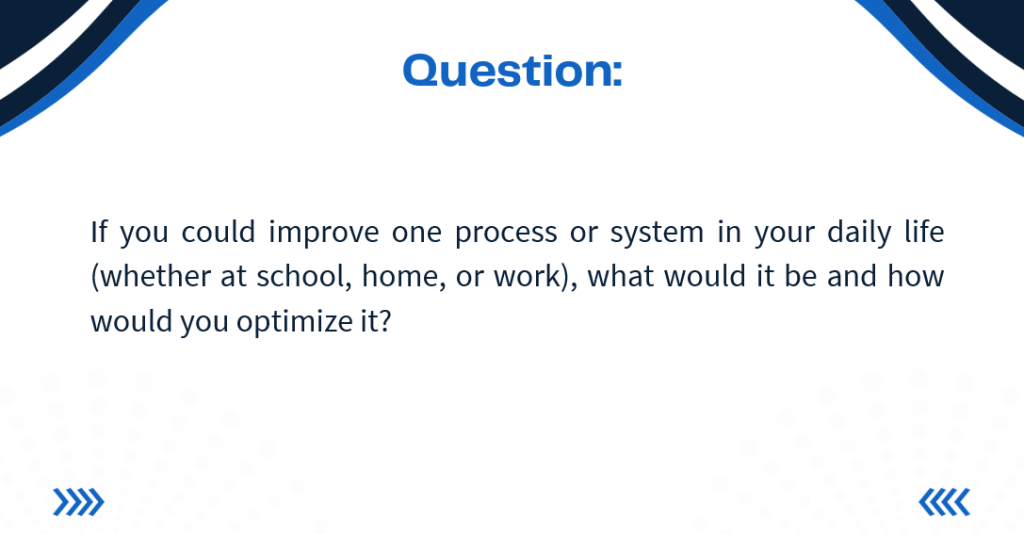
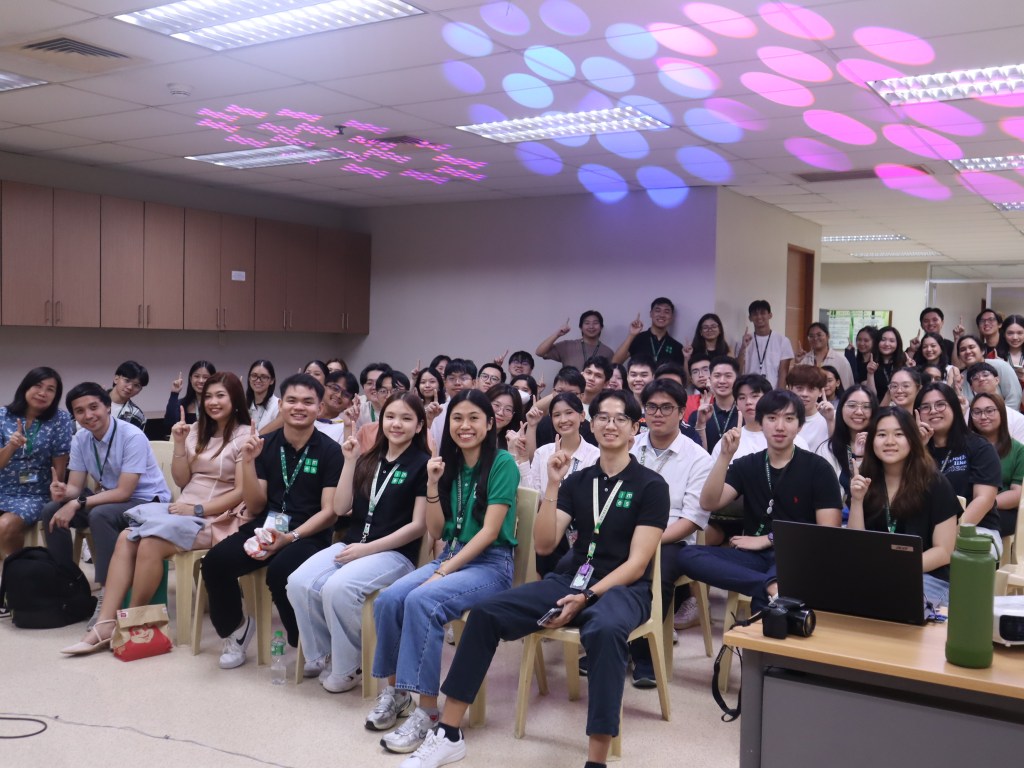
The students eagerly participated, sharing ideas on optimizing study schedules, improving household routines, and even rethinking workflows in extracurricular activities. It was inspiring to hear their creative insights and how they already embrace Lean-Agile principles in small but impactful ways.
Diving Into the Core of Lean-Agile
The session covered foundational concepts, exploring how Lean and Agile methodologies complement one another while retaining their unique principles. Here’s a snapshot of what we discussed:
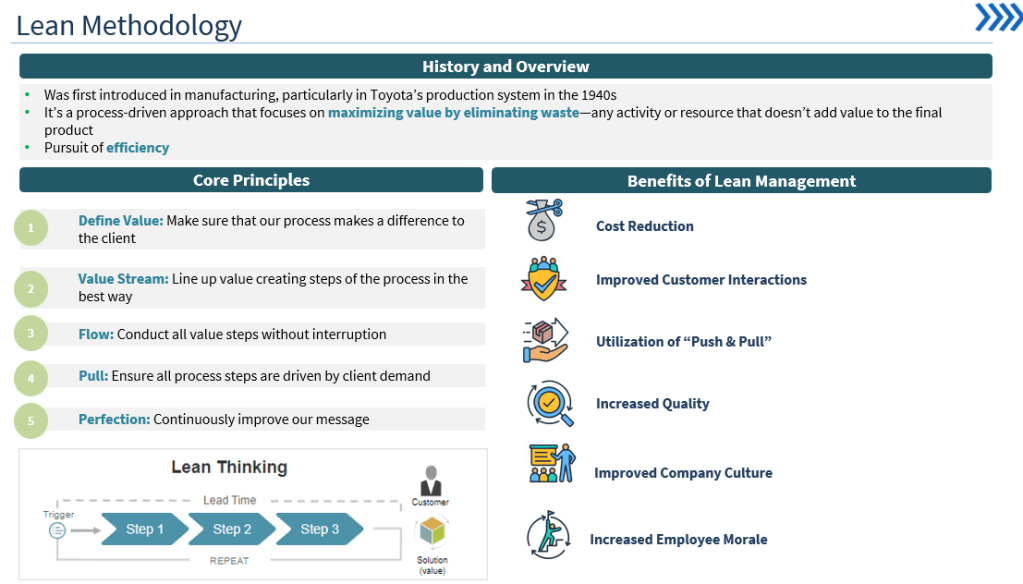
Lean Methodology
- Originated in manufacturing, particularly Toyota’s production system, focusing on eliminating waste and maximizing value.
- Core principles include defining value, mapping the value stream, establishing flow, enabling pull, and pursuing perfection.
- Benefits such as cost reduction, improved quality, and enhanced company culture resonate across industries.
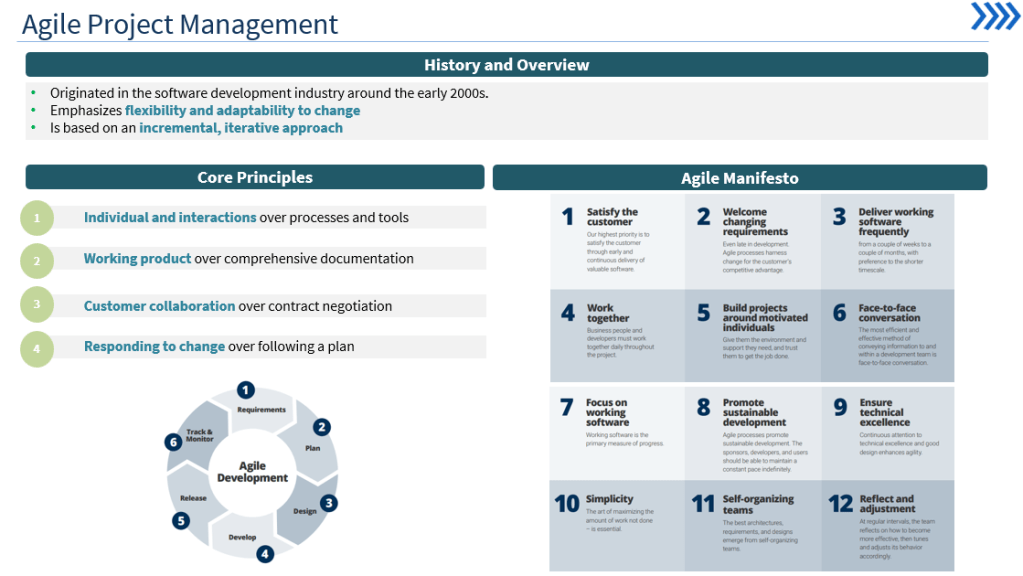
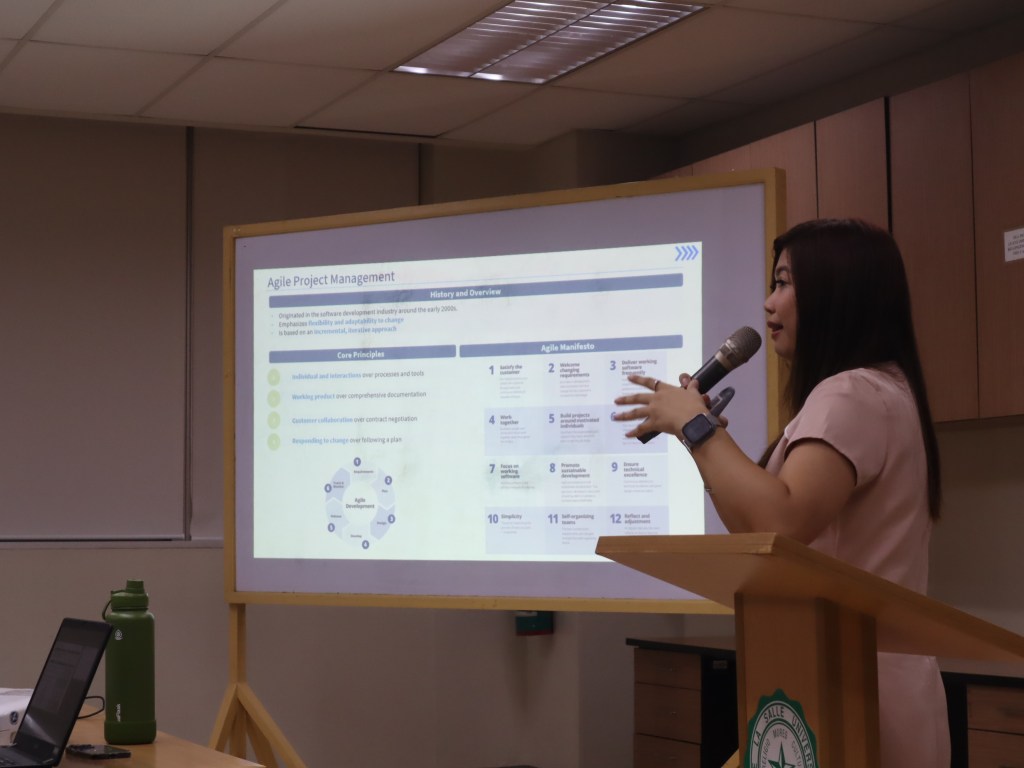
Agile Project Management
- Rooted in the software industry, Agile emphasizes flexibility, adaptability, and iterative progress.
- Core principles include valuing individuals and interactions, working products over processes, customer collaboration, and responding to change.
- The Agile Manifesto’s guiding principles, like promoting sustainable development and reflecting for continuous improvement, drive innovation.
The Synergy Between Lean and Agile
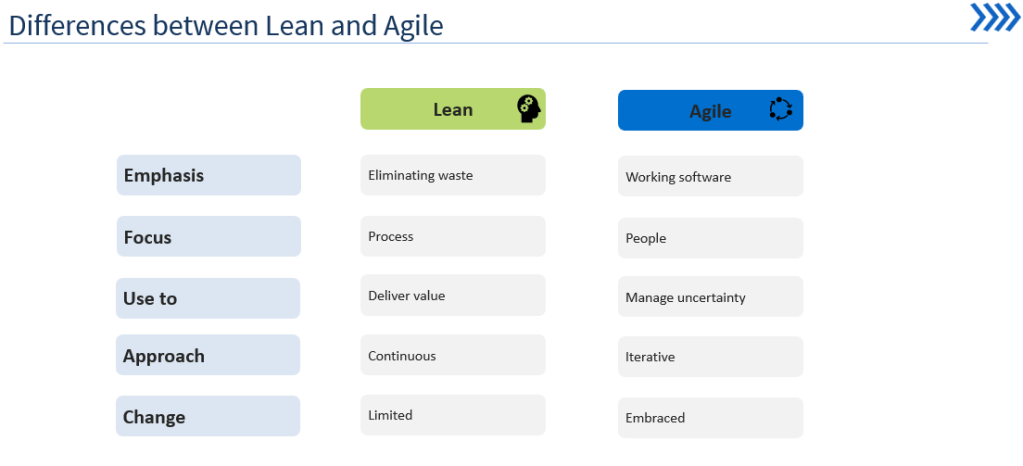
- While Lean focuses on efficiency and eliminating waste, Agile prioritizes flexibility and people.
- Both share a commitment to continuous improvement, teamwork, and fast delivery, making them a dynamic duo for modern challenges.

Leadership in an Lean-Agile Setup
A significant part of the talk was dedicated to the leadership skills required in a Lean-Agile environment. Agile leaders must:
- Foster a culture of collaboration and empowerment.
- Be adaptable and open to change, embracing uncertainty as an opportunity.
- Support self-organizing teams by providing guidance, not micromanagement.
- Encourage continuous learning and innovation.
These skills are critical to creating an environment where Lean-Agile can thrive, ensuring teams remain motivated and aligned with organizational goals.

Bridging Lean-Agile to Life
One of the key takeaways from the talk was that Lean-Agile isn’t just about business. Its principles can transform personal lives as well. Whether it’s adapting to change, letting go of outdated routines, or breaking down goals into actionable steps, Lean-Agile empowers us to achieve meaningful progress in everything we do.
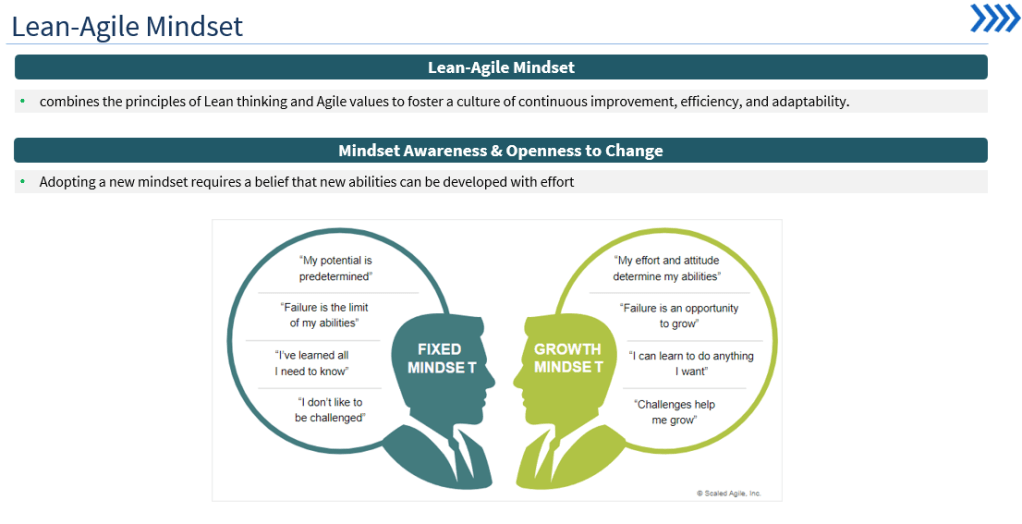
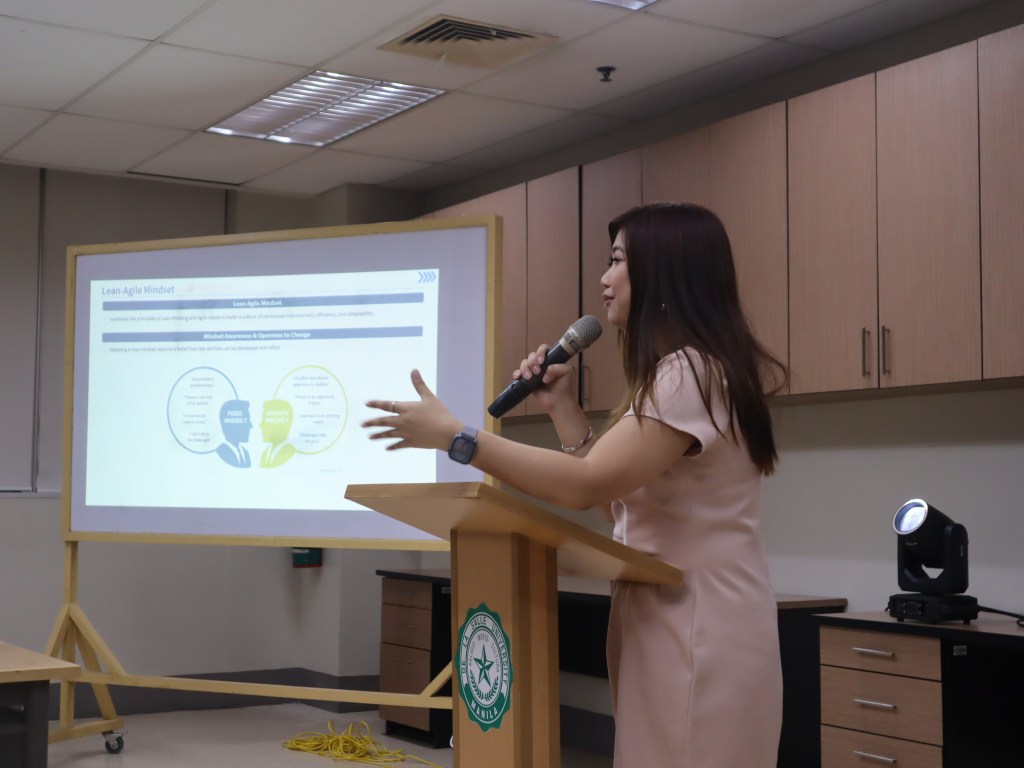
I also highlighted the Lean-Agile Mindset, which combines the values of both frameworks to foster a culture of efficiency, growth, and adaptability. A mindset shift — from fixed to growth — is essential to embracing challenges and learning from failures.
Concluding with a Powerful Insight
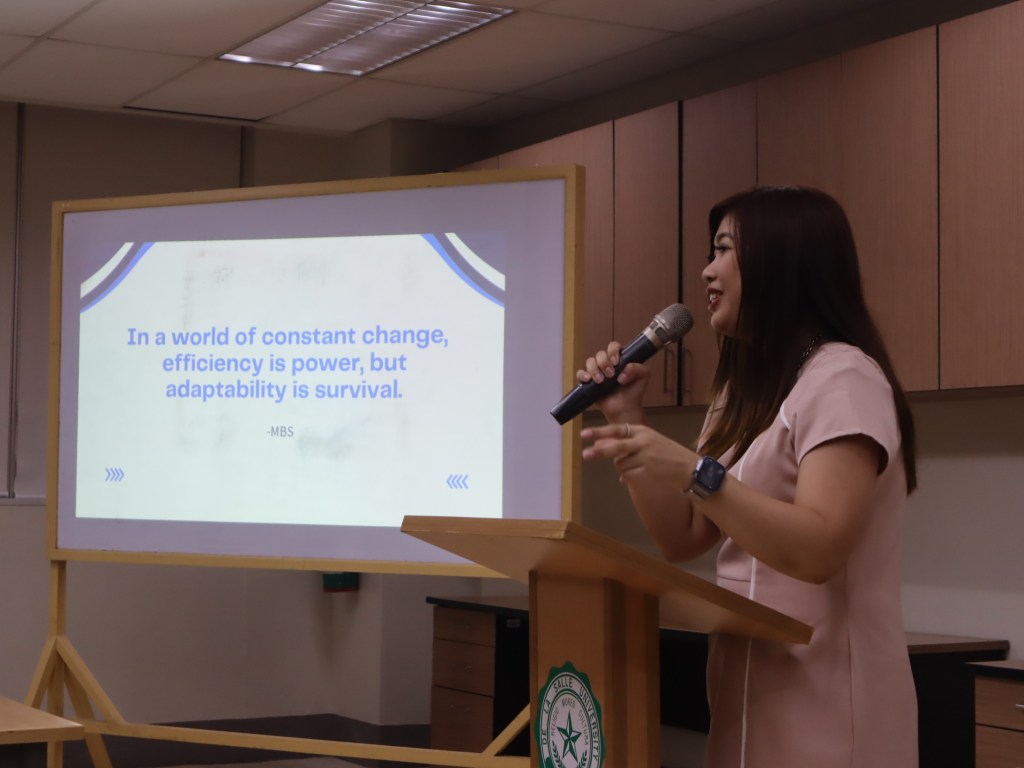
To wrap up the talk, I shared one of my guiding thoughts:
“In a world of constant change, efficiency is power, but adaptability is survival.”

This quote underscores the importance of resilience and action in the face of uncertainty. I also shared real-world examples of resistance to change and complacency, like Nokia and Kodak, to highlight the consequences of failing to adapt. These companies, once industry leaders, missed key opportunities to evolve, ultimately losing their competitive edge. Their stories serve as a stark reminder that adaptability isn’t optional — it’s essential for survival and growth.
Gratitude and Reflections
I’m deeply thankful to the Industrial Management Engineering Society (IMES) of DLSU for the opportunity to share these insights and for the students’ enthusiastic participation. A special thanks to the student organizers for making the event seamless and to my mom and Darvin for the unwavering moral support.
This session reaffirmed my belief that the principles of Lean-Agile are universal, driving innovation in both our personal and professional journeys. Here’s to embracing change, pursuing continuous improvement, and stepping boldly into a future of limitless possibilities.
#LeanAgile #Innovation #DLSU #GrowthMindset


 MBCS
MBCS 